
“Laughter is the shortest distance between friends,” and when it comes to presentation, topics for friends using the best funny phrases for presentation topics for friends can make everyone sit up and enjoy the moment. Hi, I’m [Your Name], and I know how tricky it can be to make a presentation topics for friends fun without losing the audience’s attention. That’s why adding a sprinkle of humor can turn a boring topic into a memorable experience.
We all know presentations topics for friends can feel long and serious, but with the right phrases, you can grab your friends’ attention instantly. Imagine everyone smiling, chuckling, or even laughing out loud while you share your points it’s not just entertaining, it makes your talk stick in their minds. That’s the magic of the best funny phrases for presentation topics for friends topics for friends.
In this article, I’ll share a collection of unique, playful, and easy-to-use phrases that will make your presentation topics for friends lively, fun, and unforgettable. Get ready to impress your friends with humor, creativity, and a personal touch that makes your presentation stand out!
How to Survive a Friend’s Hangry Moments 🍕
Story: Jamie is cranky because lunch was late, and everything annoys them.
When to Use: When your friend is clearly hangry, and you need a survival plan.
When Not to Use: Avoid if your friend isn’t actually hungry — could seem dramatic.
Example: Alex: “Why is everything wrong today?” You: “Hangry mode activated. Let’s get pizza!”
How to Respond 🗣️: Calmly offer snacks or distraction. Humor helps: “I’ve got emergency chocolate!”
See also: Clever Ways to Reply to “Are You Sure?”
The Science of Procrastination (We’ll Start Later) ⏰
Story: You and your friend keep delaying a task, knowing you’ll eventually do it… maybe.
When to Use: Perfect for bonding over mutual laziness or delaying responsibilities.
When Not to Use: Avoid before urgent deadlines — it could backfire.
Example: Jamie: “We should clean the kitchen.” You: “The science of procrastination says… later.”
How to Respond 🗣️: Laugh and join in, “We’re research subjects for future generations!”
Memes: The Language of Our Generation 😂
Story: A friend communicates mostly through memes and GIFs.
When to Use: When texting, chatting, or trying to describe something via memes.
When Not to Use: Avoid if your friend isn’t into memes — may cause confusion.
Example: Alex sends a meme instead of replying. You: “Perfect. Memes say it all.”
How to Respond 🗣️: Send a meme back to continue the conversation.
How to Avoid Responsibilities Like a Pro 😎
Story: Your friend masterfully dodges chores, work, or annoying tasks.
When to Use: When joking about laziness or creative excuses.
When Not to Use: Avoid at work or formal settings.
Example: Jamie: “I should do laundry.” You: “Or… we can avoid responsibilities like pros.”
How to Respond 🗣️: Laugh and suggest fun alternatives. “Pro tip: Netflix first, laundry later!”
The Secret Life of Snacks 🍫
Story: Your friend hides snacks, eats them secretly, or hoards food.
When to Use: Perfect for joking about food habits or snacking stealthily.
When Not to Use: Avoid if your friend is dieting and sensitive about it.
Example: Alex: “Why is my chocolate gone?” You: “Secret life of snacks, my friend.”
How to Respond 🗣️: Playfully confess or share your own hidden stash.
Overthinking 101: A Friend’s Guide 🧠

Story: Jamie is analyzing every possible scenario, from texts to weekend plans.
When to Use: When your friend is clearly overanalyzing or stressing unnecessarily.
When Not to Use: Avoid if they’re genuinely worried about serious matters.
Example: Alex: “Do you think they’re mad at me?” You: “Welcome to Overthinking 101.”
How to Respond 🗣️: Comfort with humor. “Let’s grade your overthinking skills together!”
Nap Strategies That Actually Work 🛏️
Story: You’re tired, and your friend is an expert in sneaky, effective naps.
When to Use: When sharing tips for power naps or lazy afternoons.
When Not to Use: Avoid if someone has insomnia — could frustrate them.
Example: Jamie: “I can’t sleep at all.” You: “Follow my Nap Strategies That Actually Work guide.”
How to Respond 🗣️: Give a playful tip. “Step 1: Pillow. Step 2: Blanket. Step 3: Instant nap.”
How to Win at Netflix Such as Indulging 🎬
Story: Your friend has perfected wallow-watching without guilt.
When to Use: When bonding over shows or weekend marathons.
When Not to Use: Avoid if someone needs to work or study — may encourage procrastination.
Example: Alex: “I finished three seasons already.” You: “Netflix such as indulging: Level Expert.”
How to Respond 🗣️: Join the wallow. “Next up: snacks and commentary!”
Social Media Stalking Without Getting Caught 👀
Story: You and your friend subtly check social media profiles.
When to Use: When joking about harmless curiosity.
When Not to Use: Avoid if it might invade someone’s privacy.
Example: Jamie: “I just checked their old posts.” You: “Social Media Stalking 101.”
How to Respond 🗣️: Humorously. “Stealth mode: activated.”
The Art of Awkward Silence 🫣
Story: You and a friend are in a quiet moment, and it’s hilariously uncomfortable.
When to Use: Perfect for laughing off tense pauses.
When Not to Use: Avoid in serious conversations — could seem dismissive.
Example: Alex: silence You: “Mastering the art of awkward silence again, huh?”
How to Respond 🗣️: Laugh it off. “Silence is our hidden talent.”
How to Pretend You’re Busy While Doing Nothing 😏
Story: Jamie scrolls on their phone while looking productive.
When to Use: When joking about lazy productivity or pretending to work.
When Not to Use: Avoid if real work deadlines are at stake.
Example: Alex: “I’m totally finishing this report.” You: “Sure… How to Pretend You’re Busy 101.”
How to Respond 🗣️: Laugh and join in. “Step one: serious typing face!”
Friendship Levels: From Bestie to Partner-in-Crime 💥
Story: You and your friend escalate from casual hangouts to wild adventures together.
When to Use: When celebrating a strong, mischievous friendship bond.
When Not to Use: Avoid if the friendship is new or formal.
Example: Jamie: “We always get into trouble together!” You: “Level unlocked: Partner-in-Crime.”
How to Respond 🗣️: Playfully. “Next mission: snack heist!”
Coffee: Fueling Friendships Since Forever ☕
Story: Your group survives long chats, study sessions, and gossip fueled by coffee.
When to Use: When bonding over coffee or caffeine-fueled adventures.
When Not to Use: Avoid if someone dislikes coffee.
Example: Alex: “Another latte before our study session?” You: “Coffee: Friendship fuel. ☕”
How to Respond 🗣️: Humorously. “Add whipped cream for bonus points.”
Texting Etiquette for Lazy Friends 📱
Story: Jamie replies hours later but always keeps it funny.
When to Use: When teasing slow texters in a lighthearted way.
When Not to Use: Avoid if someone is genuinely busy or anxious about texting.
Example: Alex: “Finally replying!” You: “Welcome to Texting Etiquette for Lazy Friends.”
How to Respond 🗣️: Playfully. “Better late than never!”
How to Laugh at Your Own Jokes (Because No One Else Will) 😅
Story: Your friend cracks a joke that lands… or flops.
When to Use: When encouraging humor or confidence in awkward situations.
When Not to Use: Avoid if jokes are offensive or inappropriate.
Example: Jamie: “Haha, I’m hilarious.” You: “Exactly. Laugh at your own jokes!”
How to Respond 🗣️: Laugh with them. “Comedy gold, honestly!”
The Science of Snack Hoarding 🍪
Story: Alex hides cookies and chips, knowing no one will find them.
When to Use: When joking about secret stashes or saving treats.
When Not to Use: Avoid if your friend is sensitive about food or dieting.
Example: Jamie: “Where did my cookies go?” You: “Snack hoarding 101. 🍪”
How to Respond 🗣️: Humorously. “I swear they walked away on their own!”
Procrastination Olympics: Going for Gold 🏅
Story: Your friend delays everything in a hilariously competitive way.
When to Use: When joking about shared laziness or procrastination.
When Not to Use: Avoid if deadlines are critical.
Example: Alex: “We’ll start tomorrow.” You: “Procrastination Olympics: gold medal!”
How to Respond 🗣️: Laugh. “We’re champions of delay!”
Social Skills for Socially Exhausted Humans 😴
Story: Jamie prefers small talk in short bursts because large groups are draining.
When to Use: When teasing introverts or socially tired friends.
When Not to Use: Avoid if they enjoy big social events.
Example: Alex: “I need a break from everyone.” You: “Social skills for the socially exhausted.”
How to Respond 🗣️: Playfully. “Recharge mode activated.”
See also: “Best Clever Comebacks When Someone Calls You Big Ego”
Petting Dogs: A Life Skill 🐶
Story: Your friend stops for every dog on the street and becomes best friends instantly.
When to Use: When joking about animal lovers.
When Not to Use: Avoid if someone dislikes dogs or has allergies.
Example: Jamie: “This pup is adorable!” You: “Petting dogs: essential life skill. 🐶”
How to Respond 🗣️: Humorously. “Certified dog whisperer!”
How to Survive Group Chats Without Losing Sanity 💬
Story: Your friend juggles 10+ group chats and keeps track of every message.
When to Use: When teasing about chaotic group messages.
When Not to Use: Avoid if someone is overwhelmed or anxious about messaging.
Example: Alex: “I can’t keep up with all these chats!” You: “Group chat survival guide: step one…”
How to Respond 🗣️: Laugh. “Mute notifications wisely!”
The Fine Art of Making Excuses 😇
Story: Jamie always has a creative excuse ready when plans go wrong.
When to Use: When joking about clever or silly excuses your friends make.
When Not to Use: Avoid if the excuse is serious or could upset someone.
Example: Alex: “I didn’t do my chores because my dog looked sad.” You: “Ah yes, the fine art of making excuses!”
How to Respond 🗣️: Laugh and add one. “Step one: always blame the dog.”
Memes vs. Reality: Who Wins? 🏆
Story: Your friend shares memes that perfectly describe life… most of the time.
When to Use: When joking about how memes exaggerate or reflect real-life situations.
When Not to Use: Avoid in serious conversations.
Example: Jamie: “This meme is my life!” You: “Memes vs. Reality: tough competition!”
How to Respond 🗣️: Playfully. “Reality’s losing badly.”
How to Survive a Friend’s Fashion Choices 👗
Story: Alex shows up in a bold or questionable outfit.
When to Use: When teasing a friend’s adventurous fashion sense.
When Not to Use: Avoid if your friend is sensitive about clothing.
Example: Jamie: “Do these shoes match?” You: “Fashion survival guide: hang in there!”
How to Respond 🗣️: Humorously. “Only you could pull that off.”
The Secret Language of Inside Jokes 🤫
Story: You and your friend understand references no one else gets.
When to Use: When celebrating private jokes and shared humor.
When Not to Use: Avoid if someone is trying to join the joke but feels left out.
Example: Alex: mentions random phrase You: “Ah yes, our secret language!”
How to Respond 🗣️: Playfully. “Chapter 27 of our inside jokes book!”
Avoiding Responsibilities with Style 😎
Story: Jamie skillfully dodges chores while still looking cool.
When to Use: When joking about lazy but stylish behavior.
When Not to Use: Avoid at work or serious contexts.
Example: Alex: “I’ll get to it later.” You: “Avoiding responsibilities with style, as always.”
How to Respond 🗣️: Laugh. “A masterclass in delay!”
How to Fail at Adulting Gracefully 🤷♀️
Story: Your friend burns toast, forgets bills, but laughs about it.
When to Use: When joking about minor adulting fails.
When Not to Use: Avoid if they’re struggling financially or seriously stressed.
Example: Jamie: “I forgot to pay rent again.” You: “Failing at adulting gracefully, nailed it!”
How to Respond 🗣️: Humorously. “At least you look good doing it!”
Overthinking Friend Drama Like a Pro 🧠
Story: Alex analyzes every tiny interaction in a group chat.
When to Use: When joking about overanalyzing friend drama.
When Not to Use: Avoid if the situation is serious and needs careful attention.
Example: Jamie: “Do you think they’re mad at me?” You: “Professional overthinker mode: activated.”
How to Respond 🗣️: Playfully. “Grab popcorn; it’s about to get analytical.”
The Magical Powers of Pizza 🍕✨
Story: Pizza can instantly solve hunger, bad moods, or even friendship tension.
When to Use: When joking about food saving the day.
When Not to Use: Avoid if someone is allergic or doesn’t eat pizza.
Example: Alex: “I’m starving.” You: “Pizza: the magical friendship fixer.”
How to Respond 🗣️: Humorously. “Call for reinforcements: extra cheese!”
How to Ghost Without Guilt 👻
Story: Jamie avoids messages or calls in a way that’s stealthy but harmless.
When to Use: When joking about taking a break from social interaction.
When Not to Use: Avoid if the ghosting could hurt someone emotionally.
Example: Alex: “I haven’t replied all day.” You: “Ghosting level: expert.”
How to Respond 🗣️: Playfully. “Stealth mode: 100% successful.”
The Evolution of Our Group Chat Emojis 📲
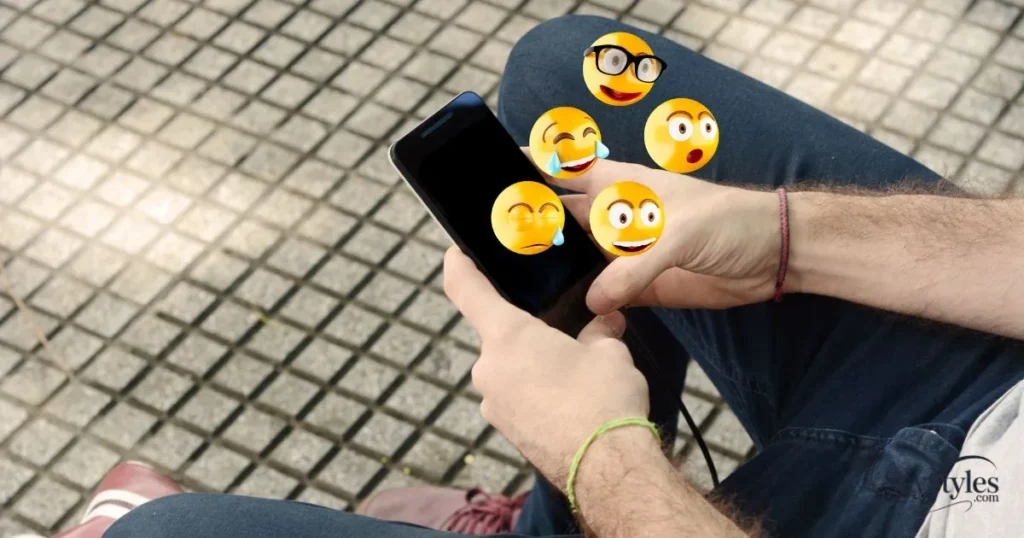
Story: Your friend updates emoji usage to reflect current moods, trends, or memes.
When to Use: When joking about how emojis reflect friendship dynamics.
When Not to Use: Avoid if someone doesn’t use emojis.
Example: Jamie: “Why so many eggplant emojis today?” You: “Evolution of our group chat, clearly.”
How to Respond 🗣️: Humorously. “Next phase: dancing tacos.”
Friendship: A Study in Chaos and Laughter 😂
Story: Jamie and Alex survive unpredictable adventures, messy plans, and constant jokes.
When to Use: When celebrating the wild, hilarious moments that only true friends understand.
When Not to Use: Avoid in serious or formal conversations.
Example: Alex: “Remember the time we got lost on the way to the mall?” You: “Friendship: pure chaos and laughter.”
How to Respond 🗣️: Laugh and reminisce. “Chaos with you is my favorite subject!”
See also: “Best Clever Responses to Comebacks on ‘Dream of Me’”
How to Pretend You Understand Sports 🏀
Story: Your friend explains a game, and you nod along pretending to follow.
When to Use: When joking about being clueless about sports but still participating.
When Not to Use: Avoid with die-hard sports fans who expect real knowledge.
Example: Jamie: “That was a perfect three-pointer!” You: “Absolutely… I totally saw that move.”
How to Respond 🗣️: Smile and nod. “Go team, right?”
Meme Economics: Investing in Laughter 💸
Story: Your friend spends hours curating memes for the group chat like a stock portfolio.
When to Use: When joking about memes being valuable or addictive.
When Not to Use: Avoid if someone dislikes memes or is serious about digital content.
Example: Alex: “I just found the perfect meme for today!” You: “Meme Economics: big returns in laughter.”
How to Respond 🗣️: Laugh and share your own. “Portfolio is growing!”
How to Survive a Road Trip with Friends 🚗💥
Story: Long drives, singing off-key, and snack chaos dominate your trip with friends.
When to Use: When joking about friendship road trips or travel mishaps.
When Not to Use: Avoid if the trip is serious or stressful.
Example: Jamie: “Are we lost again?” You: “Road trip survival guide: step one, snacks ready.”
How to Respond 🗣️: Humorously. “Next stop: laughter station!”
Friendship Survival Guide: Snacks, Memes, and Sarcasm 🥳
Story: Jamie and Alex rely on humor, food, and sarcasm to survive friendship chaos.
When to Use: When summarizing the essentials of your friendship style.
When Not to Use: Avoid in serious or tense moments.
Example: Alex: “We survived another week of madness!” You: “Friendship survival guide activated.”
How to Respond 🗣️: Playfully. “Mission accomplished with snacks and memes.”
Top 15 Editor’s Choice Funny Responses
- “I didn’t procrastinate; I just made this presentation fashionably late.”
- “If you don’t laugh, I’ll assume you’re asleep—please stay awake!”
- “This slide is brought to you by coffee and bad decisions.”
- “I asked Google, but even it couldn’t help me explain this.”
- “Don’t worry, I promise no charts will attack you… yet.”
- “The content may be questionable, but my enthusiasm is 100% real.”
- “This presentation is like a Netflix show: short, entertaining, and slightly confusing.”
- “I didn’t prepare a joke… so this awkward silence counts as one.”
- “If this slide confuses you, just nod and smile.”
- “Warning: Random fun facts ahead. Side effects may include laughter.”
- “I may not have all the answers, but I have slides!”
- “This presentation has more plot twists than a soap opera.”
- “If you like this slide, thank my cat—it walked over my keyboard.”
- “Applause is optional, but highly encouraged.”
- “Remember, I’m a presenter, not a magician—though I’ll try my best!”
Conclusion
Presentation with friends don’t always need to be serious. Using funny phrases can instantly lighten the mood, make your content more memorable, and engage your audience in a relaxed way. Humor creates a connection, reduces stress, and encourages participation, turning a simple presentation topics for friends into a fun and interactive experience.
When it’s a witty slide, a playful joke, or a clever response, these phrases give your presentation topics for friends a personal touch and show your friends your creative side. Even if the topic is ordinary, adding a sprinkle of humor can make it extraordinary. Keep the sentences short, relatable, and lighthearted, so everyone can enjoy it.
Remember, the goal isn’t just to inform it’s to entertain, share laughs, and leave a positive impression. The right funny phrases can transform your presentation topics for friends into a memorable moment that friends will talk about for days Presentation topics for friends.

I’m Lily Hart, the Admin behind the engaging responses at SayStyles.com! With a knack for blending wit and warmth, I turn every piece of writing into something memorable. From clever advice to fun comebacks, I’m here to make sure every response leaves you smiling and thinking.